
At the crossroad
”We have several paths ahead of us, only that we must not choose one, but decide in what order and how fast we need to follow all of them,” says Radu Apostolescu, one of the founders of eMAG, which continues to own part of the shares of the online store after the majority stake was bought by IT&C distributor Asesoft.
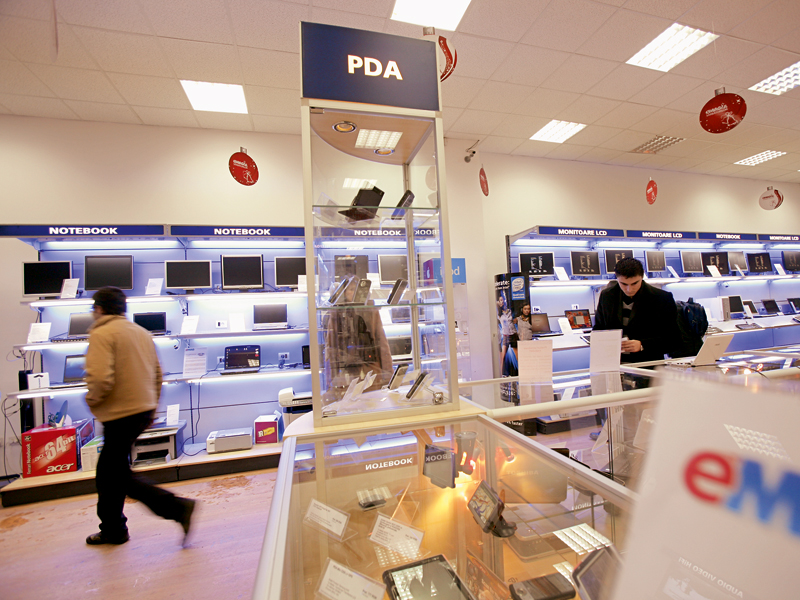
What paths are they talking about? The latest move, the opening
of the fourth showroom in Cluj, underlines the shift of eMAG from a
purely online model to an online and offline combination.
Traditional stores should generate about 20% of the business, if
not more next year. In Cluj, following a less than 50,000-euro
investment in a 120 square metre store, eMAG expects to see sales
reach 3 million euros for those orders delivered to the showroom in
the first year, that is 25,000 euros per square metre.
The total display area, however, stands at almost 1,500 square
metres, with the Bucharest showroom alone accounting for 1,000
square metres of the total, while the rest are divided among the
showrooms in Ia[i, (200 square metres) and Ploie[ti (150 square
metres). The 40,000 people expected to set foot in these four
stores and the almost 25,000 that buy over the Internet could pick
up 37.5 million euros’ worth of products from the showroom in one
year.
“Still, the plan is not to migrate sales to stores, but only to
establish a presence in major cities of the country, because
opening a showroom may help sales triple in that particular area,”
explains Bogdan Vlad, general manager of eMAG. The company is
considering the possibility to open more showrooms in Timi[oara,
Constanta, Craiova and Bra[ov. Beyond figures, expansion to the
mortar and bricks segment is justified by the consumer
behaviour.
Instead of doing their research about the product they want in
traditional stores and then order it from an online store, where
the price is lower, clients obviously prefer to do it the other way
round – they make their choice on the Internet, where they can
easily compare products and read the opinions of other users and
buy from traditional stores. “This is a phenomenon we call ROPO –
research online, purchase offline, which describes the behaviour of
70% of those that go to online stores,” Apostolescu says.
Online retailers are no longer growing in one year as much as they
used to grow in four. To them, time has come to regroup – either by
redesigning the business model or by alliances and acquisitions
meant to preserve their position on the market.
-
 Viorel Panaite, Managing Partner, Human Invest: Fug angajaţii de responsabilitatea de a conduce oameni?
-
 Irina Barbu, IT Lead, ING Hubs România – Tech Foundation and Channels: „Performanţa apare atunci când oamenii au claritate, sprijin şi spaţiu să-şi facă treaba bine”
-
 Paul Cosmovici, Managing Partner, Cosmovici Intellectual Property: România autentică, dar neprotejată. Gust tradiţional, mândrie naţională, proprietate intelectuală