
20 years after
Two decades ago, Romania suddenly put a bloody end to the golden age of Nicolae Ceausescu at the height the communism crisis, and is now slowly going through the most acute crisis of capitalism.
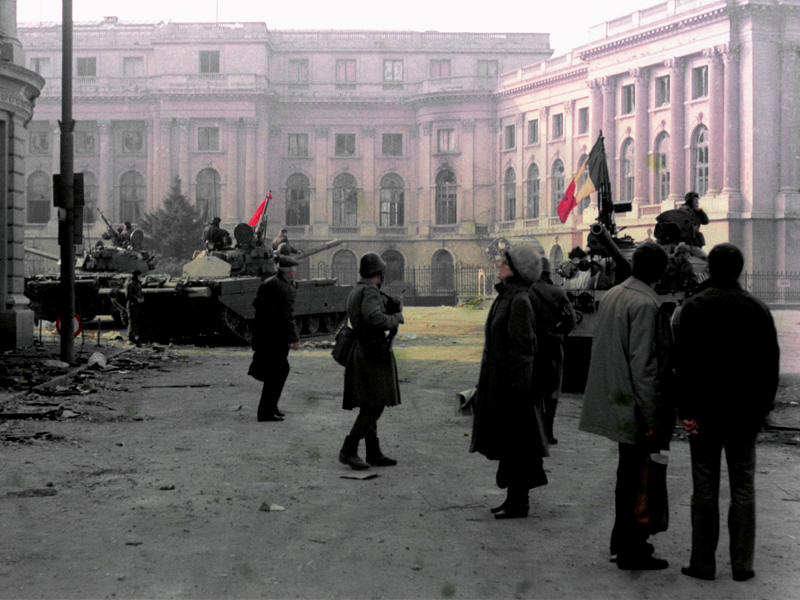
Where is Romania after 20 years of capitalism and where are we
going to from now on? How does Romanian capitalism look as seen
through the eyes of the players themselves? Romanian capitalism is
“authentic and harmful” says Aliz Kosza, general manager of paint
manufacturer Fabryo, one of the few managers “by trade” in Romania.
“I have worked only in foreign companies and multinationals and
this whiff of authenticity has managed to attract even those
companies.
Because of the mentality and red tape, regardless of company,
experience acquired or your skills, it takes twice the time and
effort to reach a similar performance to a manager in Europe, on a
similar position and with comparable targets,” Aliz Kosza adds. An
abrupt approach, also shared by Ileana Horvath, general manager of
Unita insurance company: “It’s a stretch to say that we are now
living in capitalism. It is a cannibalistic and savage capitalism
rather than anything else.”
Though savage, Romanian capitalism has been a driver: “I think this
Romanian capitalism somehow copied the revolution and through its
efforts and individual initiatives was ahead of those running the
things, taking them by surprise. Otherwise we would have been
worse,” says Mihail Valeanu. As a surprise came the opinion of a
person not involved in the economy game: psychologist Claudiu
Ganciu describes Romanian capitalism as a child who has been
allowed to develop faster in certain respects but has failed to
adjust mentalities, the way of reacting to sudden progress, to
radical change. “Therefore it is commonplace to see a big block of
apartments next to an old house.
The society changed of all of sudden, people are making a greater
effort to adjust,” the doctor says. Could these changes have
happened faster and easier? “Faster? We are talking about a 20-year
old economy in its current shape. Would you demand a 20-year old to
get a Nobel? I donít think so. Why would you expect that from a
society?” Ganciu exclaims. The psychologist therefore touches on
what consultant Adrian Stanciu, founder of Human Synergetics
Romania calls hypercompetitiveness, one of the characteristics of
the society and business environment in Romania, a characteristic
which is not exactly good in large doses. “In hypercompetitive
organisations and societies everything is about how to beat others,
how to be stronger, more cunning and better seen than them. The
fact that there are 25 better than us in Europe does not matter.
The important thing is to not be the last!” Stanciu bitterly
notes.
-
 Viorel Panaite, Managing Partner, Human Invest: Fug angajaţii de responsabilitatea de a conduce oameni?
-
 Irina Barbu, IT Lead, ING Hubs România – Tech Foundation and Channels: „Performanţa apare atunci când oamenii au claritate, sprijin şi spaţiu să-şi facă treaba bine”
-
 Paul Cosmovici, Managing Partner, Cosmovici Intellectual Property: România autentică, dar neprotejată. Gust tradiţional, mândrie naţională, proprietate intelectuală